Sequential coordination after design release
- BiddingWeeks 1–2
- Detailing & RFIsWeeks 3–7
- ApprovalWeeks 8–9
- ScrubWeek 10
- FabricationWeeks 11–14
- ErectionWeeks 15–17
Design and detailing coordination
Resolve steel conflicts while design is still developing—so fabrication can begin weeks earlier, with fewer downstream RFIs.
Service overview
Detailing develops alongside the engineering design, allowing steel conflicts, constructability issues, and missing information to be identified and resolved while the design is still evolving.
Anatomic developed its Design Detailing process in 2009 to accelerate project schedules, reduce construction risk, and lower overall project costs. The detailer begins when the design is 40–50% complete and works directly under the design engineer as the structure develops.
Potential RFIs become coordinated design decisions. Instead of waiting for the design to reach IFC before detailing begins, the steel model develops alongside the engineer’s design. The model is reviewed and approved as the design evolves, allowing fabrication drawings to be released shortly after the fabricator is released.
Schedule comparison
Scroll through the same representative 400-ton project. Both delivery paths use one 17-week clock, making the effect of early coordination directly comparable.
Before release RFIs and design issues are resolved while the structure is still developing.
Illustrative schedule based on the 400-ton project example used by Anatomic Iron. Actual project durations depend on scope, approvals and procurement.
Project collaboration
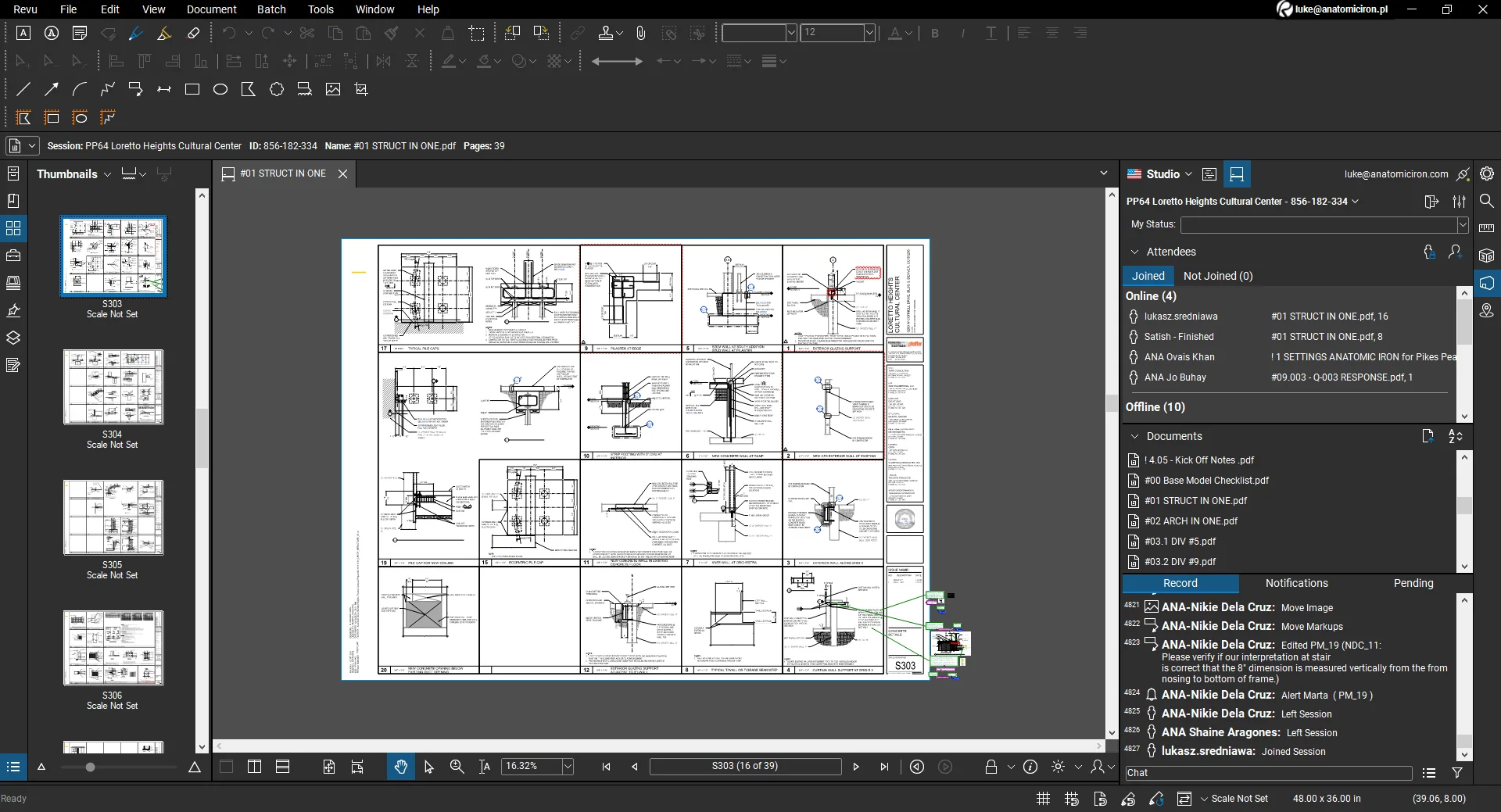
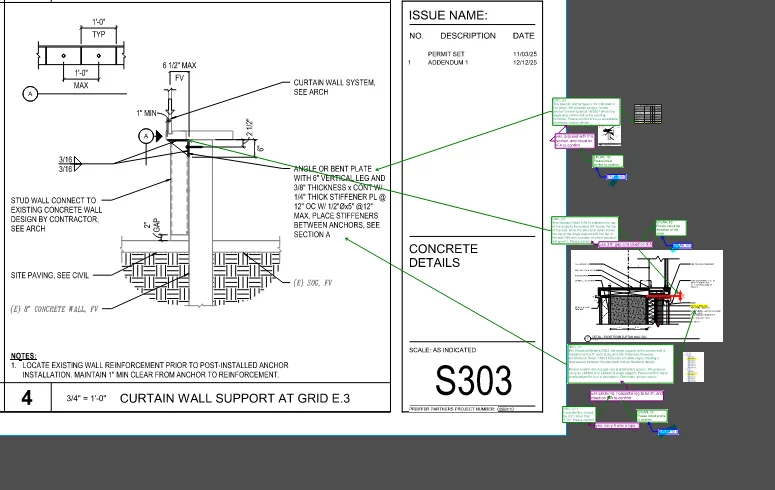
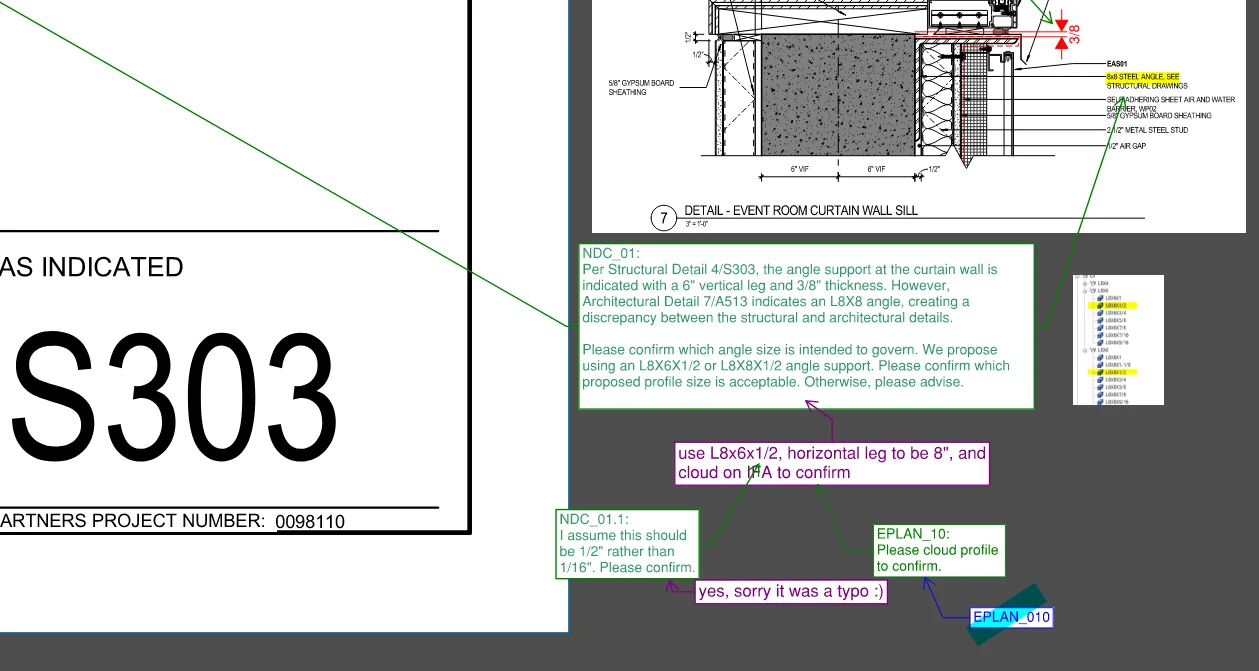
Explore how a question moves through the shared Bluebeam session. Each step uses the supplied project review screens and the actual role-based layer structure.
The drawing set, project participants and review conversation stay together in the same Bluebeam session.
Project value
Select a panel to review the service from coordination through final delivery.
Earlier coordination protects the project schedule and reduces investment risk.
Decisions move into the design phase, where they are easier to review and resolve.
A coordinated model creates a shorter, more predictable construction path.
Approved information reaches the shop sooner and aligns with fabrication priorities.
Questions about applying design detailing to a project? Contact our team for more information.
Technical focus
Important decisions are presented as clear problem-and-solution examples. The same model context carries the issue, response and approved resolution.
The model is approved as the design develops; final fabrication drawings are generated once the design and detailing are complete.
Conflicts found after award move through a longer RFI and redesign chain.
Design detailing responseBring the conflict forward while the engineer is actively developing the structure.
Traditional detailing starts after the construction documents are issued.
Design detailing responseStart detailing while the design is still developing, so fabrication information is ready as the project moves into construction.
Email threads and drawing markups separate decisions from model context.
Design detailing responseKeep review comments, viewpoints and resolutions centralized in the model.
Conflict identified
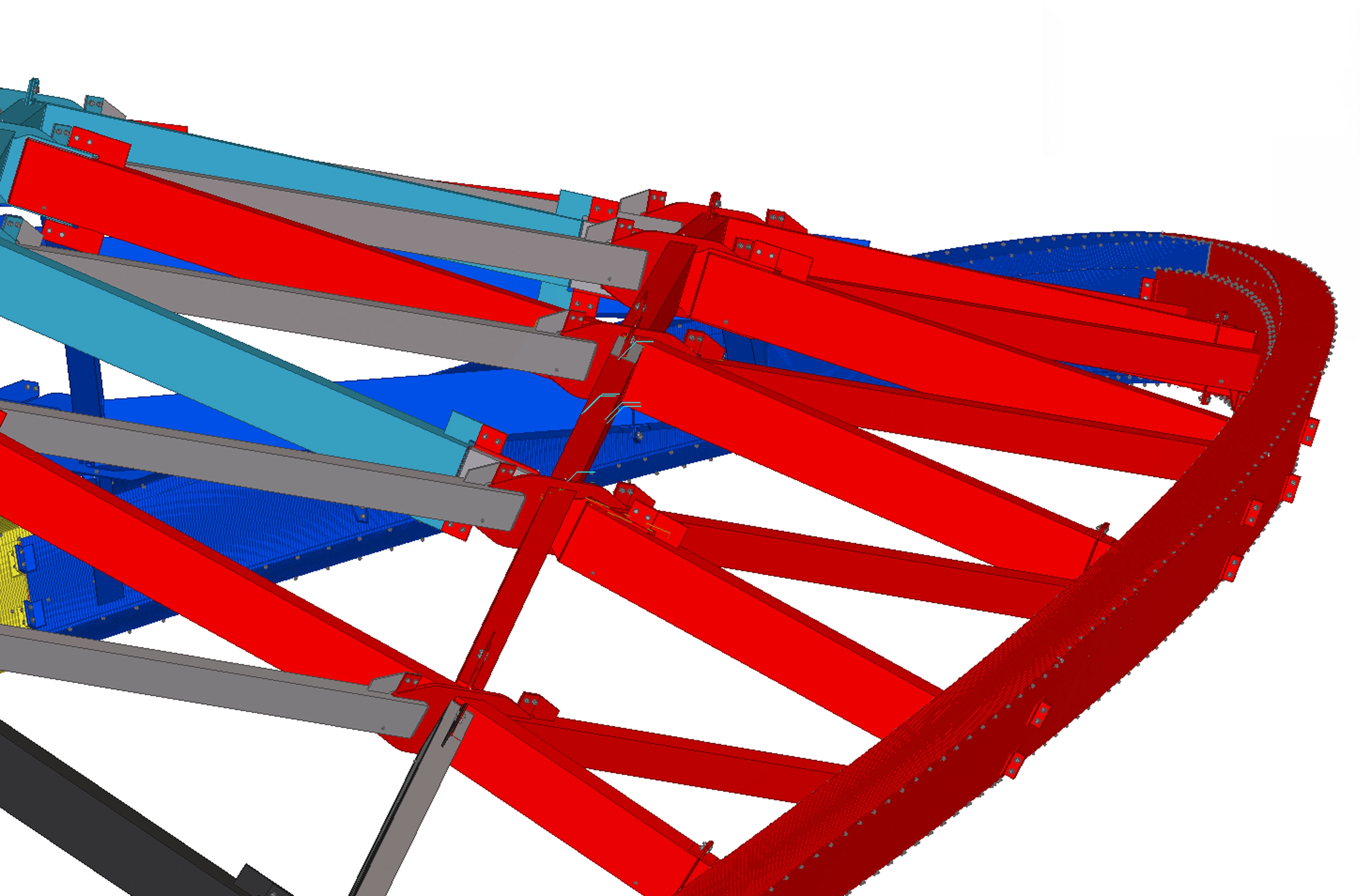
Coordinated modelThe same model context carries the issue, response and approved resolution.
Design Detailing in practice
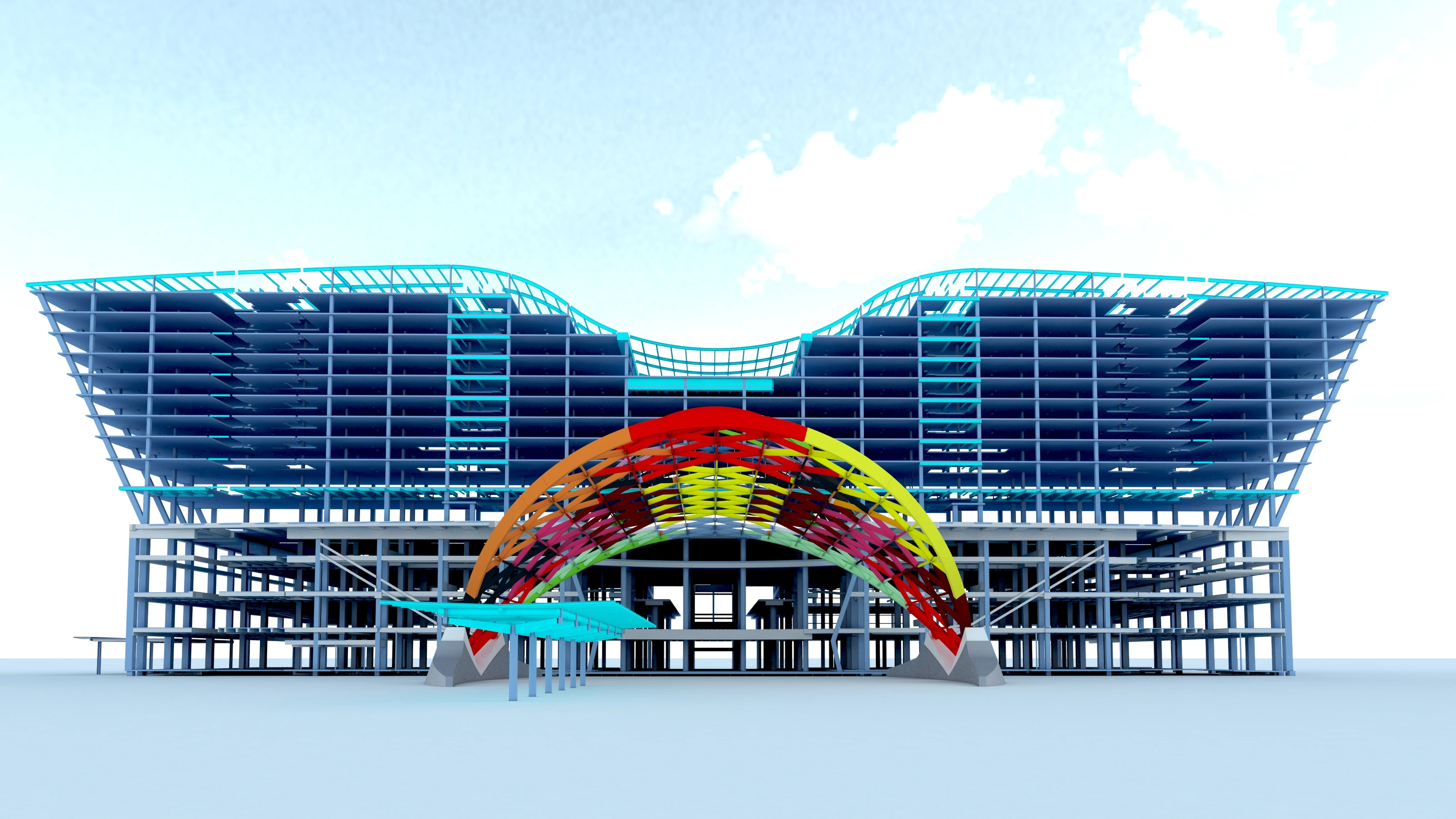
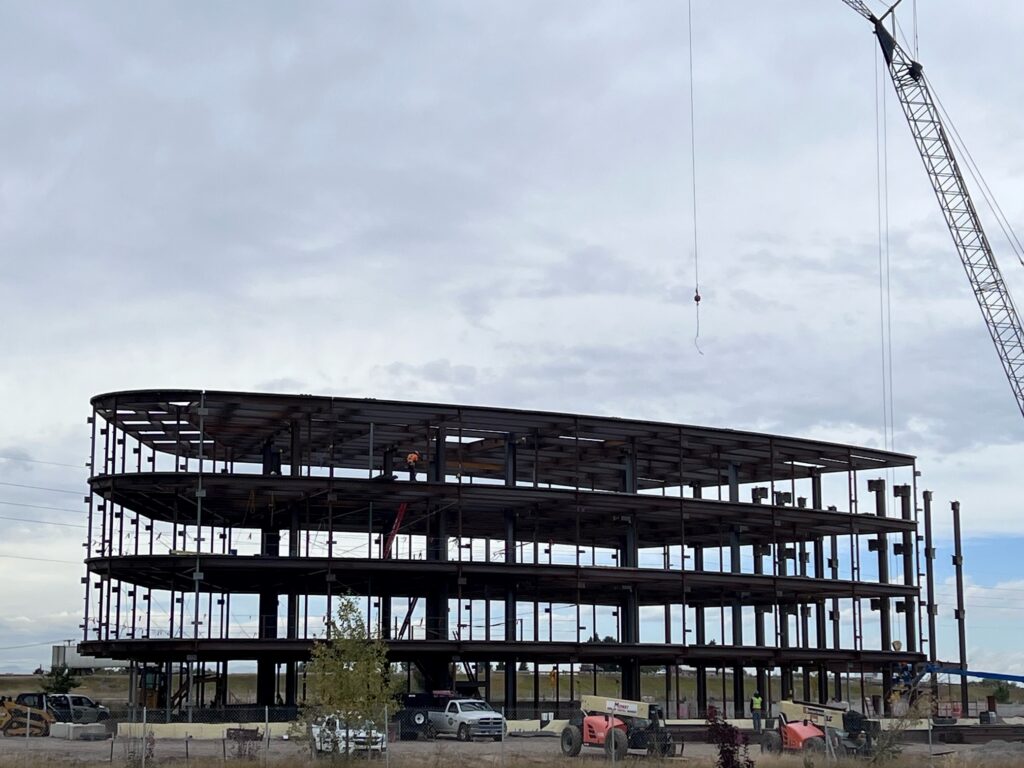
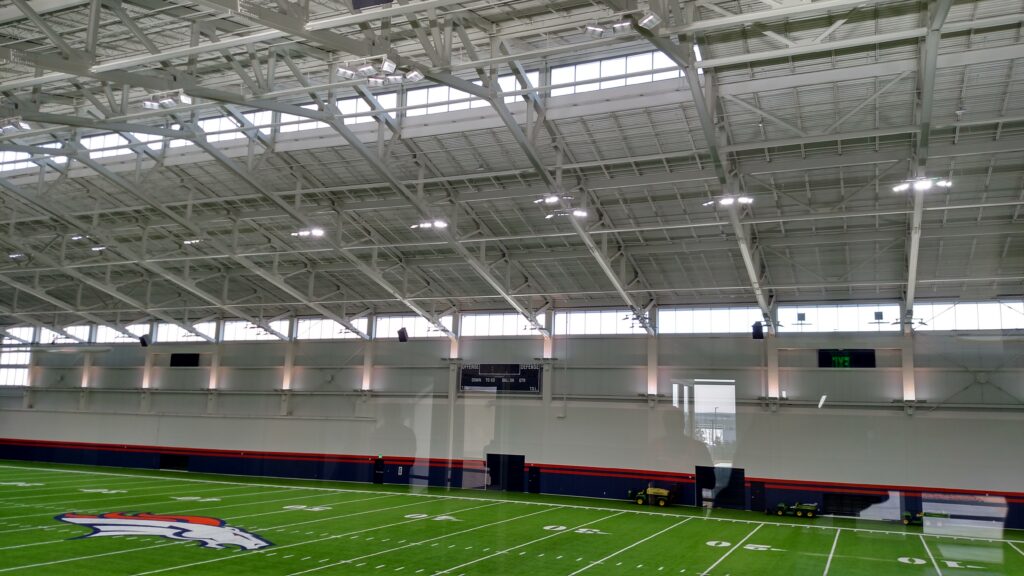
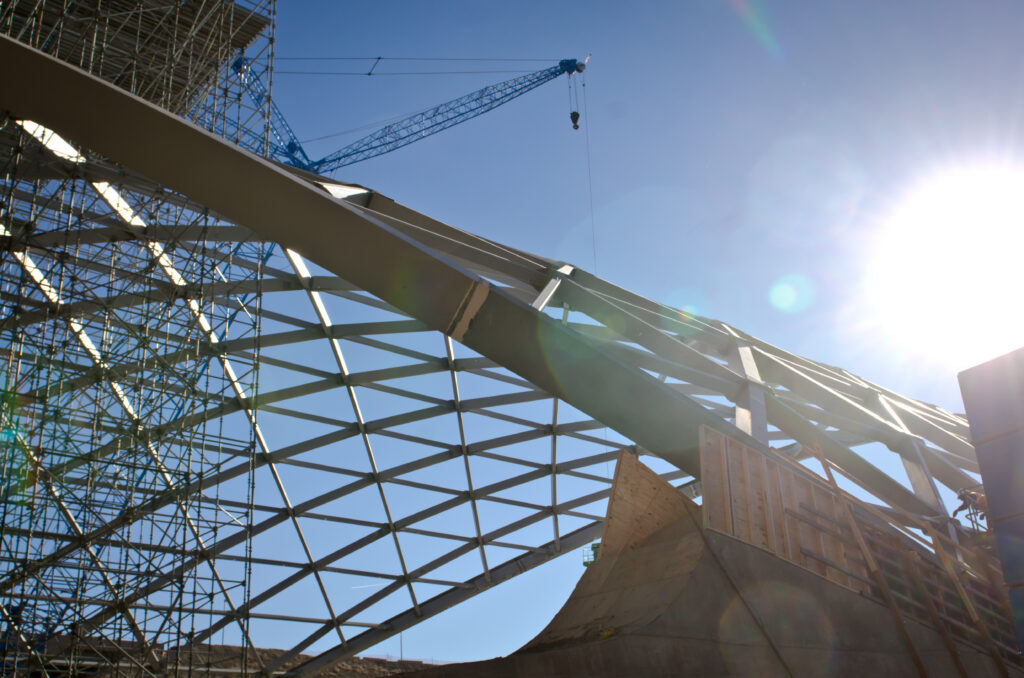
Explore project examples where detailing developed alongside the engineering design.
Start a conversation
Design Detailing is most effective when introduced during pre-construction, before the traditional detailing process begins.
Discuss project scope, schedule and coordination requirements with our detailing team.
Contact our team